David Hockney, 2017:
I love my work. And I think the work has love, actually... I love life. I write it at the end of letters- 'Love life, David Hockney'
Gregory, Los Angeles March 1982 by David Hockney
(The greatest love photo of all time)
David Hockney met Gregory Evans in London 1971, introduced to each other by a mutual friend. They quickly became lovers, continuing later as friends and colleagues in a relationship that spanned decades. Gregory was a consistent muse and subject in Hockney's works over the decades, up until Hockney passed away recently. When asked in a Guardian interview in 2015 who was the love of his life: “Maybe Gregory,” he whispers, touchingly, if uncertainly.
Eight years after their first meeting, in February 1982, Hockney began creating his composite photographs, hundreds of which appear in one of my most prized possessions: the art book Cameraworks, and of which Gregory, Los Angeles March 31st, 1982 (Pl. 19) is my favorite.
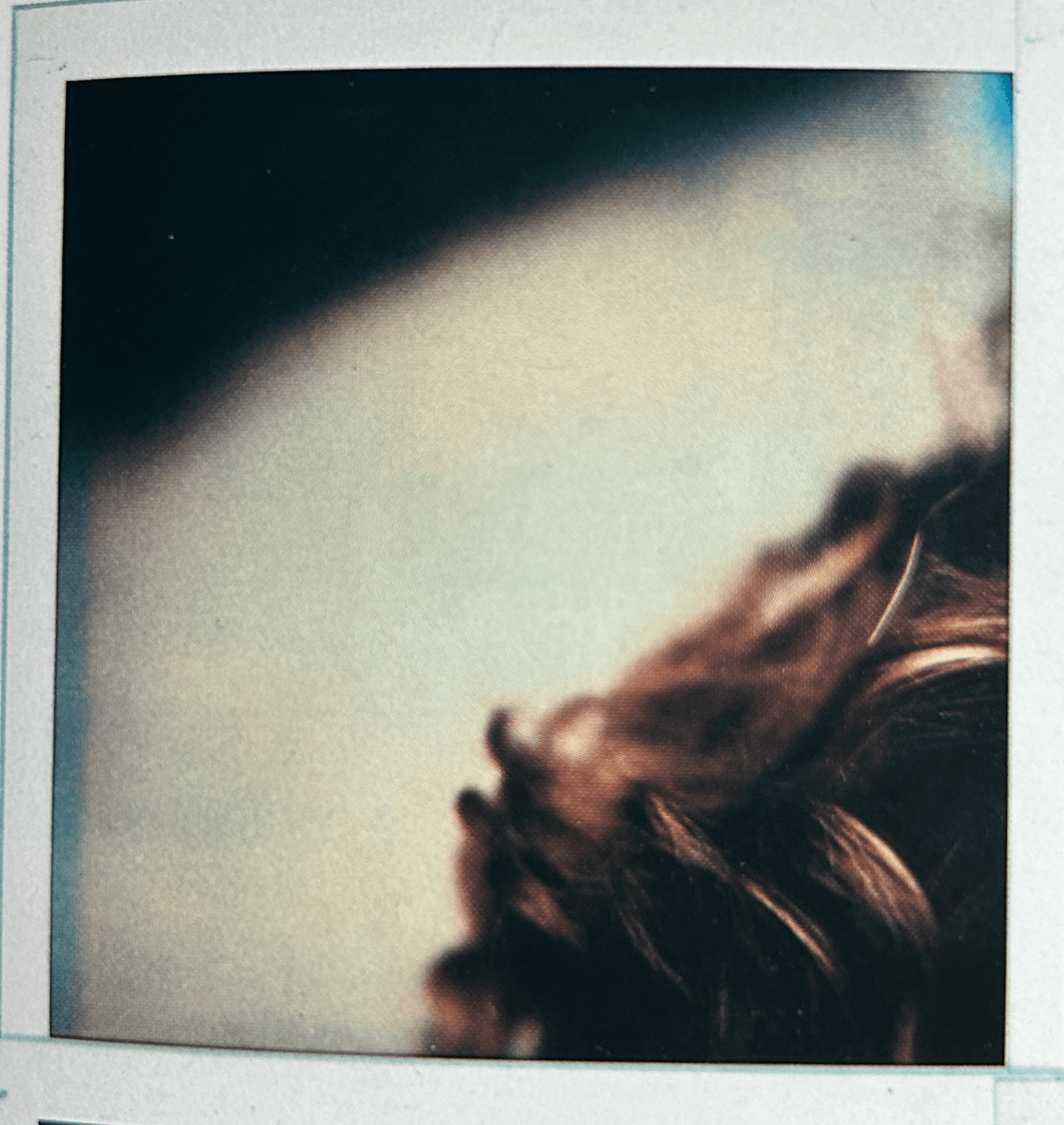
This particular collage of Gregory appears relatively early in Hockney's photography, just a month after the first Polaroid collages were assembled. These early collages are all characterized by the Polaroid medium, each one a montage individual squares, all distinctly separated by the white borders of the physical film.
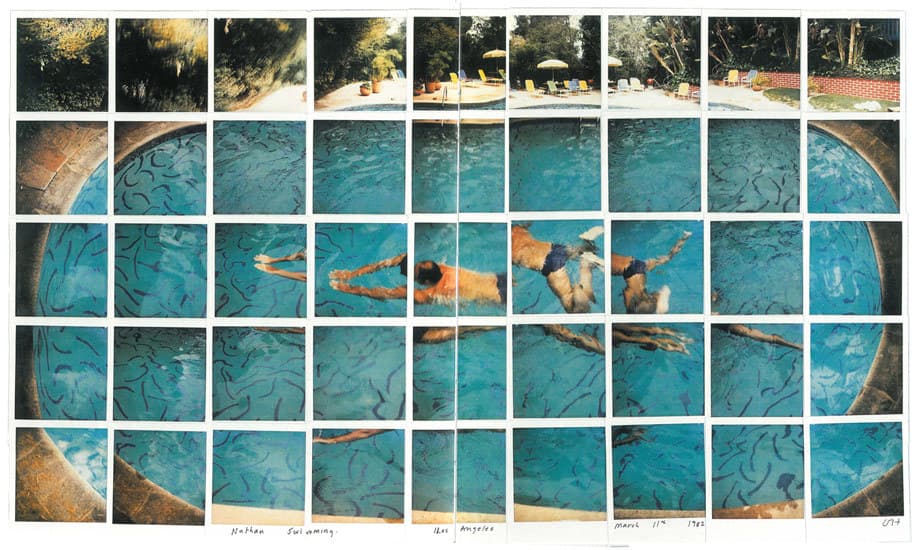
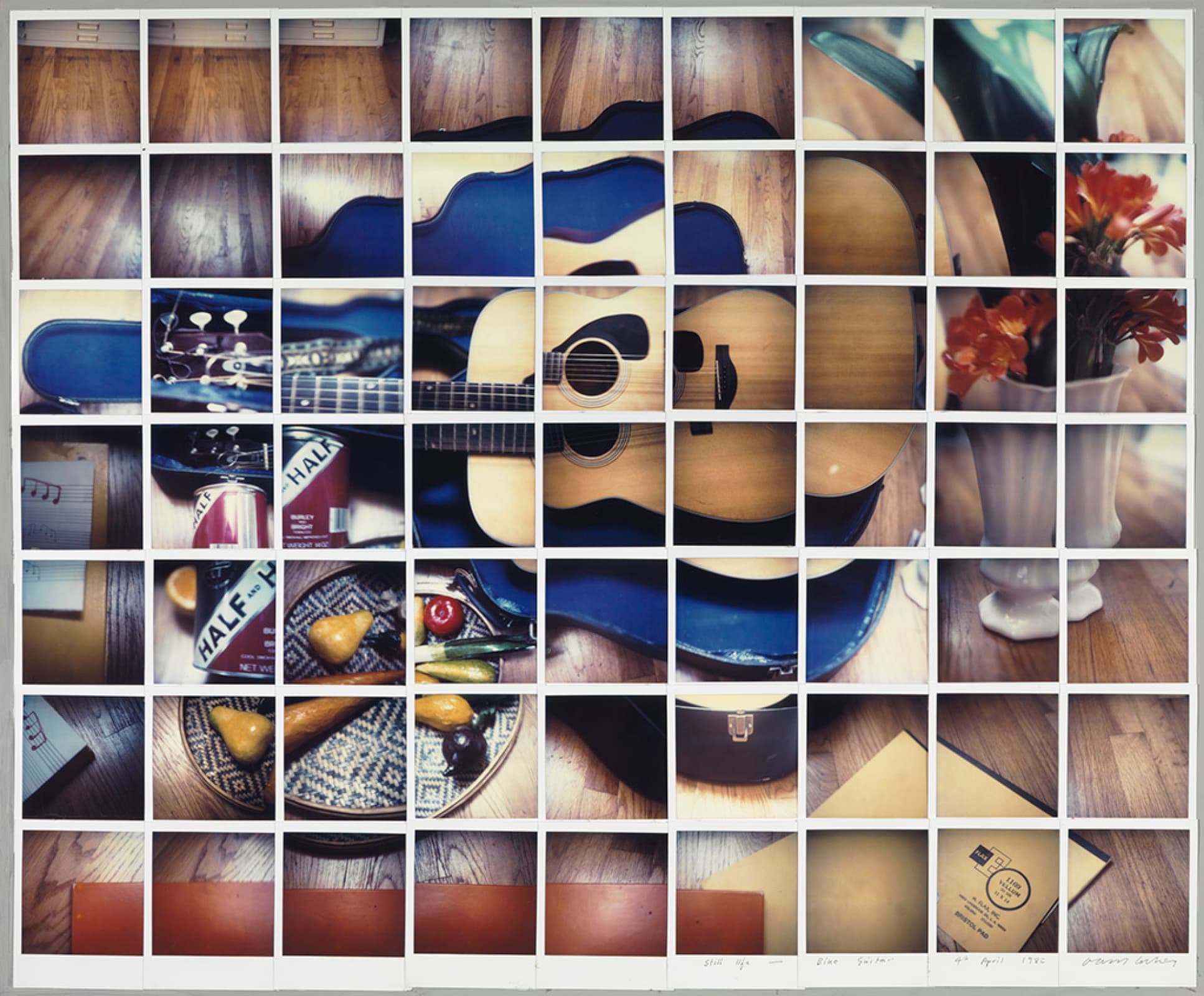
A few months later, in May 1982, Hockney moves on from the Polaroid to a 35mm film camera, breaking free of the grid structure that inhabited his early photography.
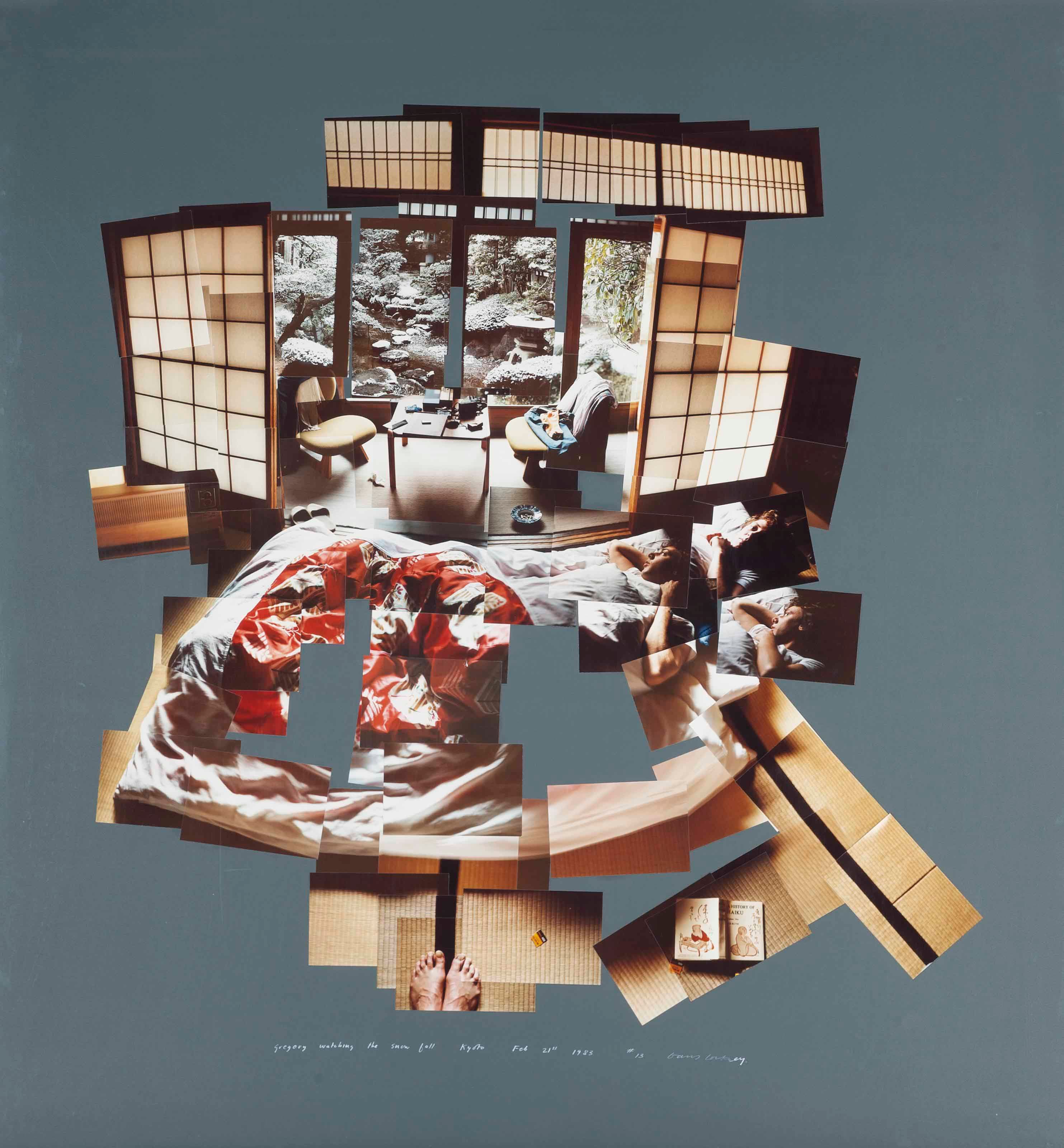
These later collages sprawl across the page, fisheye-ing and flowing, stitched together. In many, like The Scrabble Game Jan 1st 1983 and Gregory Watching the Snow Fall, Kyoto Feb 21, 1983, that non-rectangular silhouette is grounded at the bottom by Hockney himself as part of it: his own hands or feet often comprising the bottom few frames. Placed in his shoes quite literally, we inhabit his perspective, plant ourselves there and look around the scene with him.
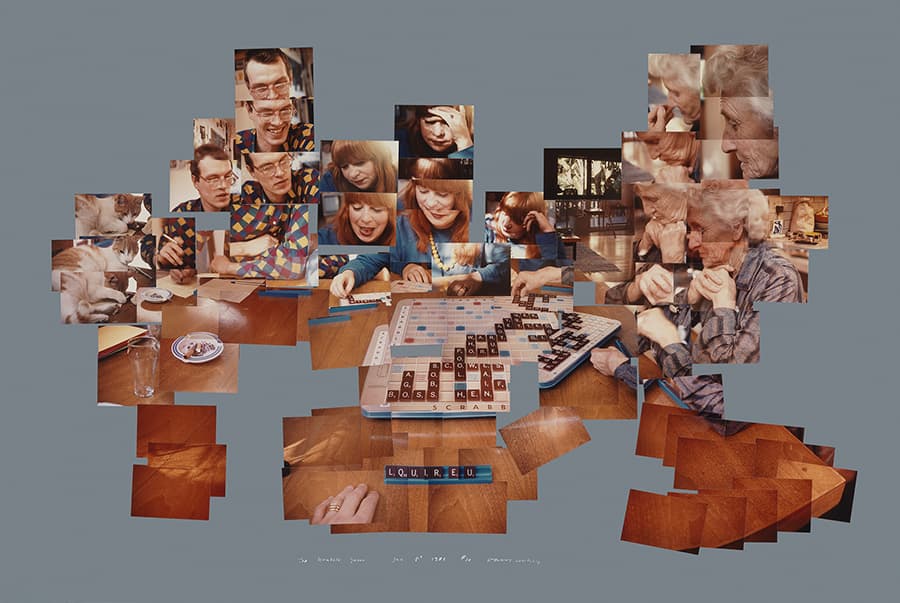
Gregory's white gridded Polaroid portrait required a different kind of perspective. No grounded feet, no stillness, but instead the dynamic movement required of the original Polaroid collages, cobbled together not weeks later as the film developed but in the same moment they were taken.
As Hockney himself said: "The lens on a Polaroid camera is fixed: you can't add close-up or zoom lenses or anything. So that to get a close-up of the floor, I had to get close up to the floor." Waiting for the film to develop in real time only lengthened the process: Hockney describes how sessions could quickly become hours-long as he moved around his subject, moving closely in then farther away, waiting for Polaroids to develop then adjusting and iterating over and over.
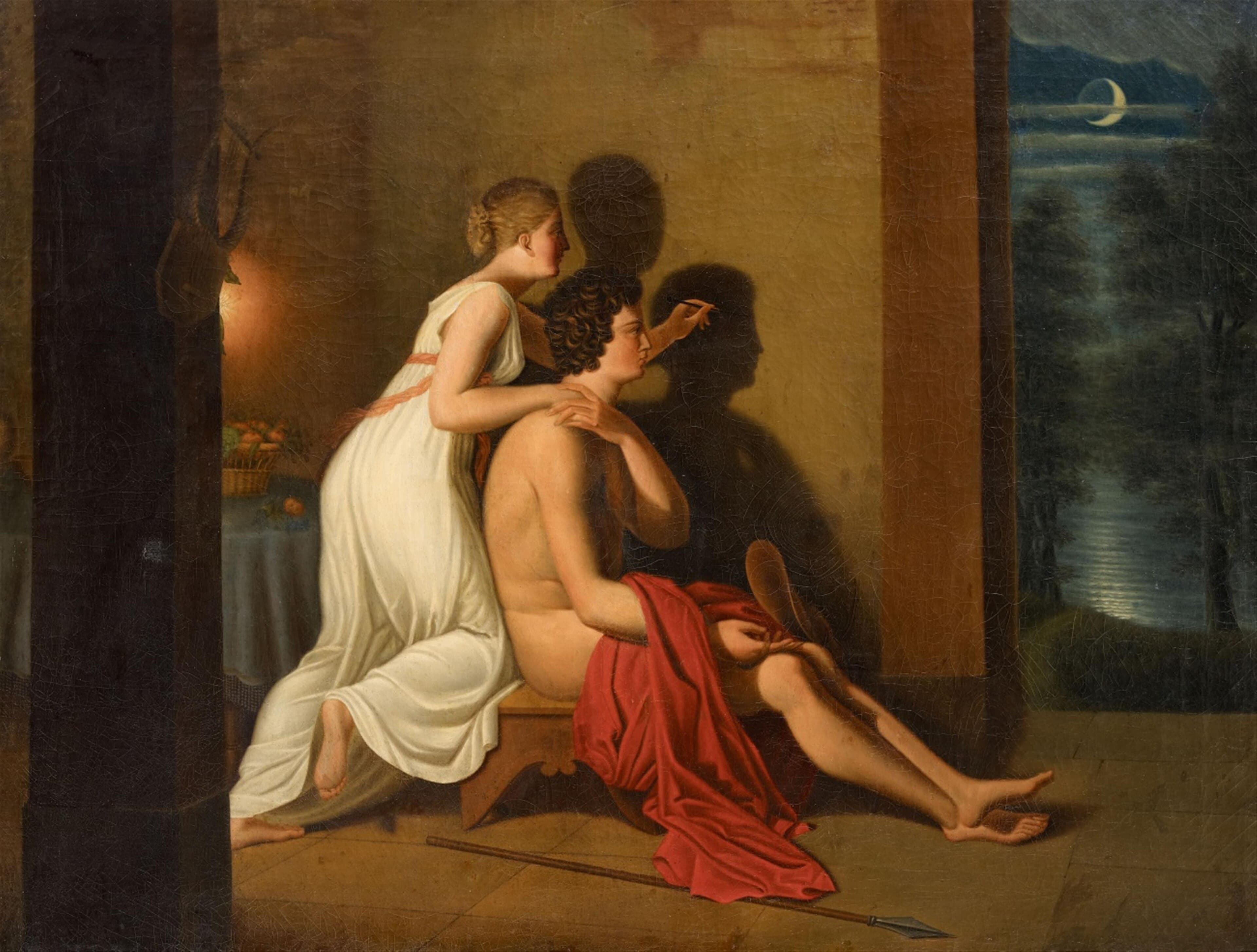
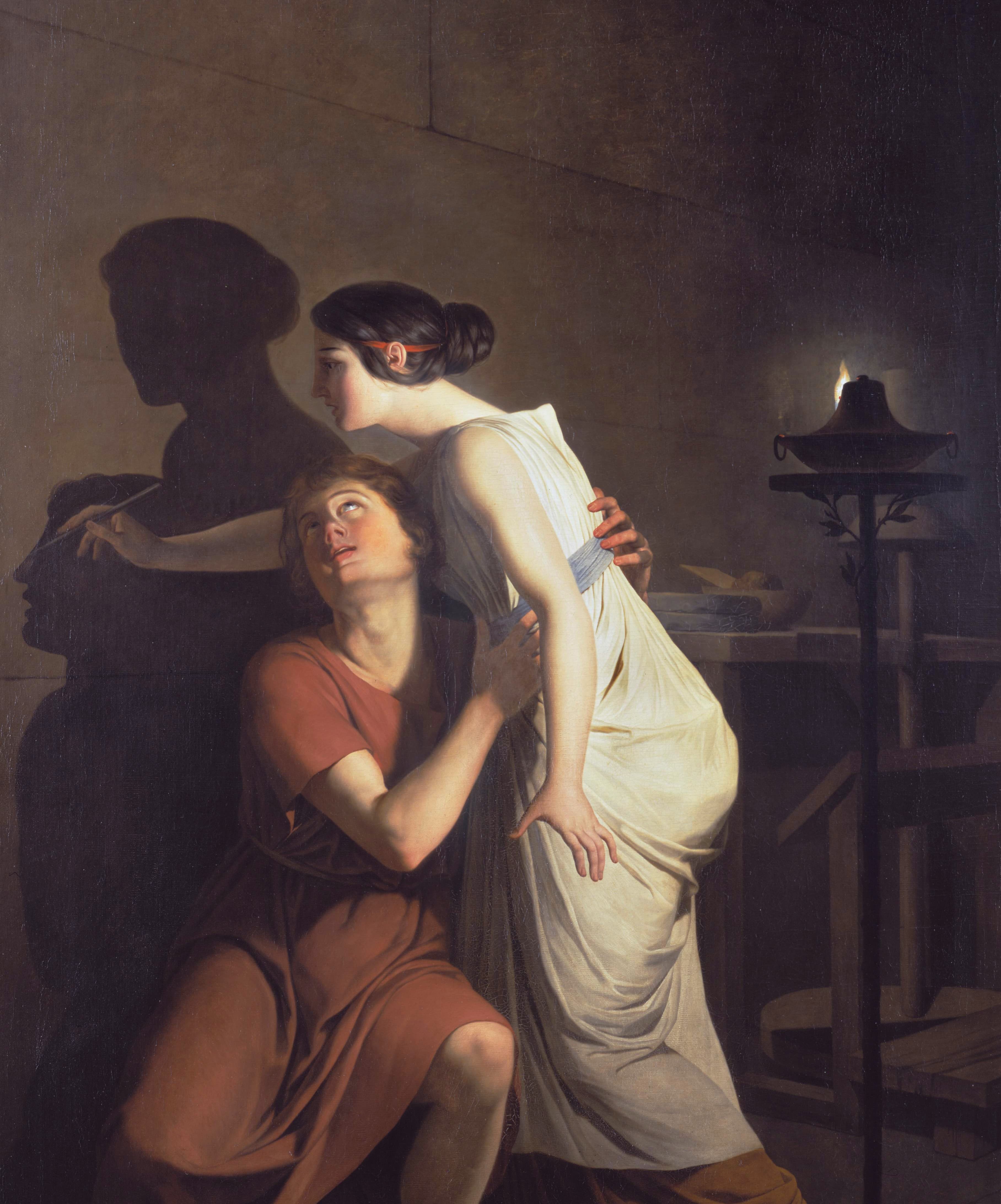
One of my favorite stories contends that the origin of painting began with a young Corinthian girl on the evening before her lover was to leave for battle, perhaps never to return. Overcome with love on their final night together, she traced the outline of his candlelit shadow on the wall to remember him.
Try as she might to keep him still for the accuracy of her tracing, I imagine her lover shifting in his seat a little with each breath, his nose and chin and each strand of hair ending a few inches from where he began, the candlelight dancing and distorting each feature.
Gregory, sitting perhaps for hours during this session, can be seen shifting in the yellow chair from photo to photo: his gaze moving up and down and the curls of his hair never in the exact same place.
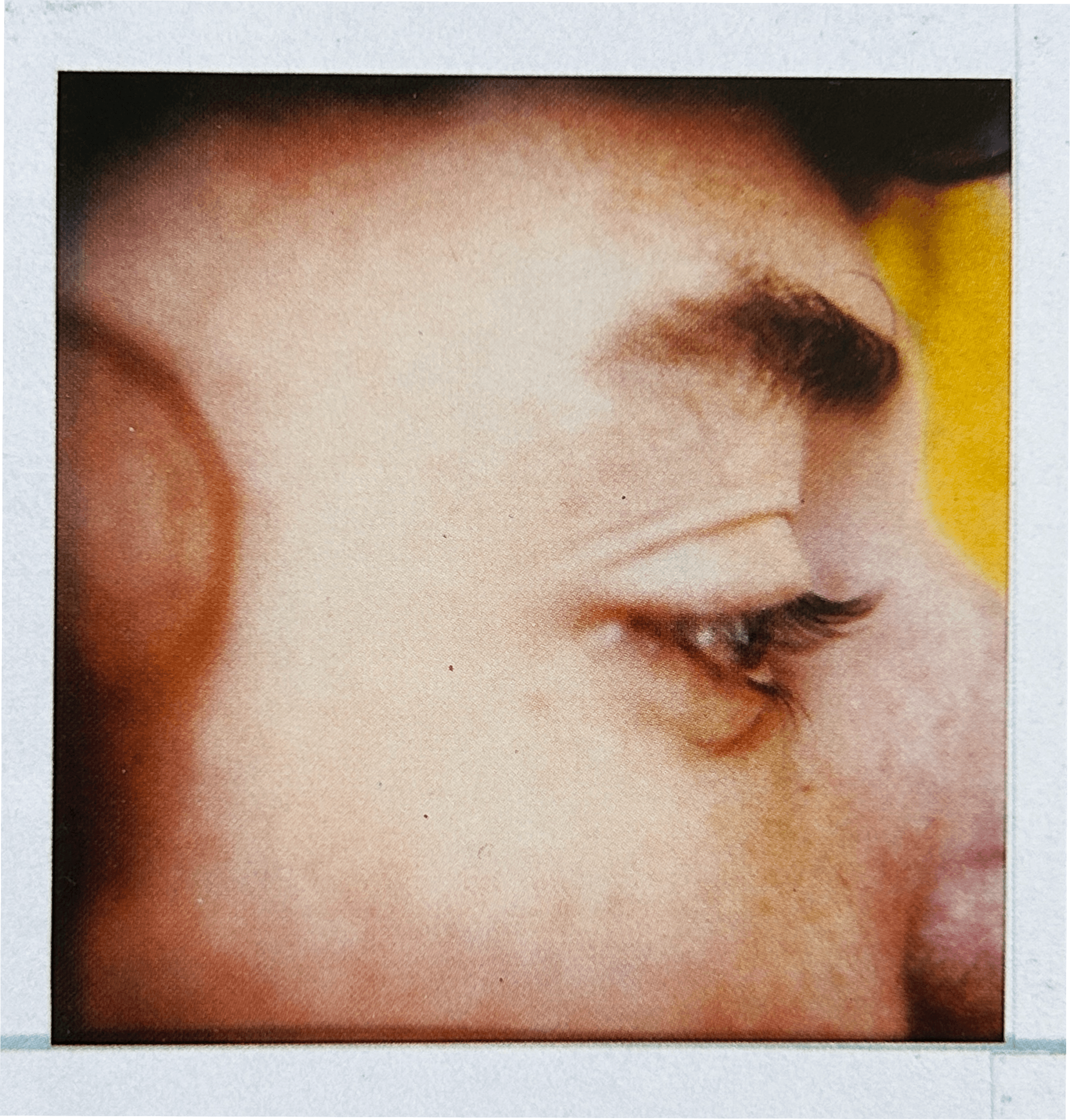
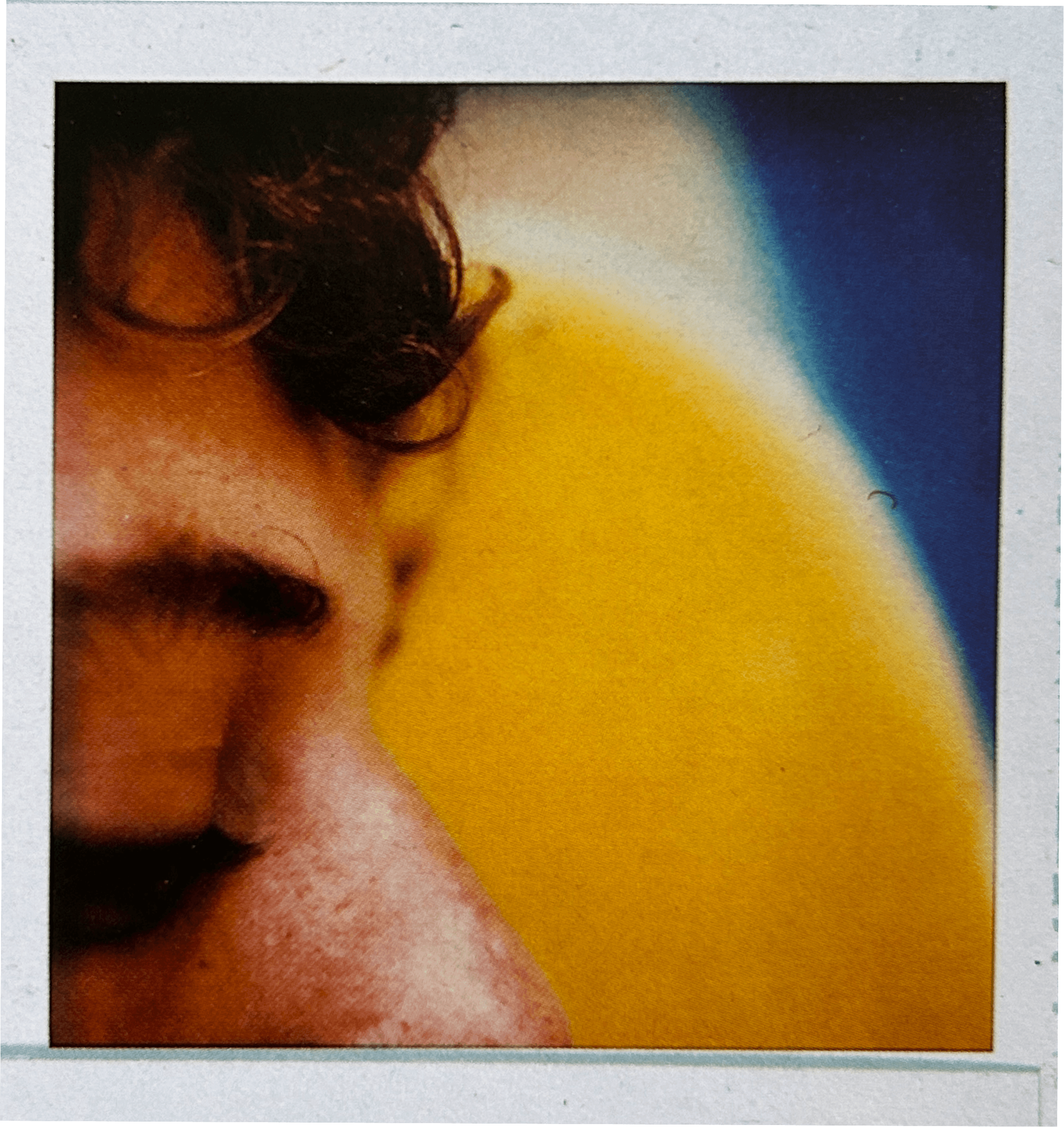
Imagining Gregory exhaling, inhaling, exhaling, drifting in his chair as Hockney circled him with a camera, that dynamic and prolonged moment, brings the scene to life more than the inclusion of Hockney's grounded feet or hands. We are not inhabiting Hockney as he stands still and looks around but instead inhabiting a moment where both artist and subject are living, breathing, moving between each image.
The act of looking closely, of building up an image out of details in a moment, was exactly what Hockney was trying to explore in these works. Again, from Cameraworks:
This sort of picture [comes] closer to how we actually see, which is to say, not all-at-once but rather in discrete, separate glimpses which we then build up into our continuous experience of the world.
Looking at you now, my eye doesn't capture you in your entirety, but instead quickly, in nervous little glances. I look at your shoulder, and then your ear, your eyes (maybe, for a moment, if I know you well and have come to trust you, but even then only for a moment), your cheek, your shirt button, your shoes, your hair, your eyes again, your nose and mouth.
There are a hundred separate looks across time from which I synthesize my living impression of you. And this is wonderful. If, instead, I caught all of you in one frozen look, the experience would be dead—it would be like... it would be like looking at an ordinary photograph.
Like the Corinthian maid, the artist grasps at the person they love, intimitely revisits each detail of them in an attempt to hold on a little longer to their physicality, their essence, to the magnitude of a simple spring afternoon together.
The physical polaroids themselves make that time spent even more tangible. In contrast with the 35mm film scans, each physical white frame in the collage came to life within a few minutes after it was taken, each one becomes a physical artifact dated and timed to that exact afternoon.
These embodied white borders, instead of separating us from Gregory, only energize the moment more. I'm reminded of Rainer Maria Rilke's Archaic Torso of Apollo:
We cannot know his legendary head
with eyes like ripening fruit. And yet his torso
is still suffused with brilliance from inside,
like a lamp, in which his gaze, now turned to low,
gleams in all its power. Otherwise
the curved breast could not dazzle you so, nor could
a smile run through the placid hips and thighs
to that dark center where procreation flared.
Otherwise this stone would seem defaced
beneath the translucent cascade of the shoulders
and would not glisten like a wild beast's fur:
would not, from all the borders of itself,
burst like a star: for here there is no place
that does not see you. You must change your life.
The white borders, like the missing head on the eponymous Apollo statue, break the greater whole into fragments, each one becomes a singular point of focus hyper-saturated with love and intention. In each window, you can watch a record of Hockney moving around his lover, framing and snapping each one with tender care and focus on his hair, his ear, his sweater, his lips, his neck. Each entry an abstract representation of the moment as a whole.
𖤓
Again I imagine the two of them, David and Gregory, sitting together in his backyard, perhaps against the sounds of the pool filter, of a clicking and whirring Polaroid camera, of the first of the spring birds migrating through Southern California on their way north to breed.
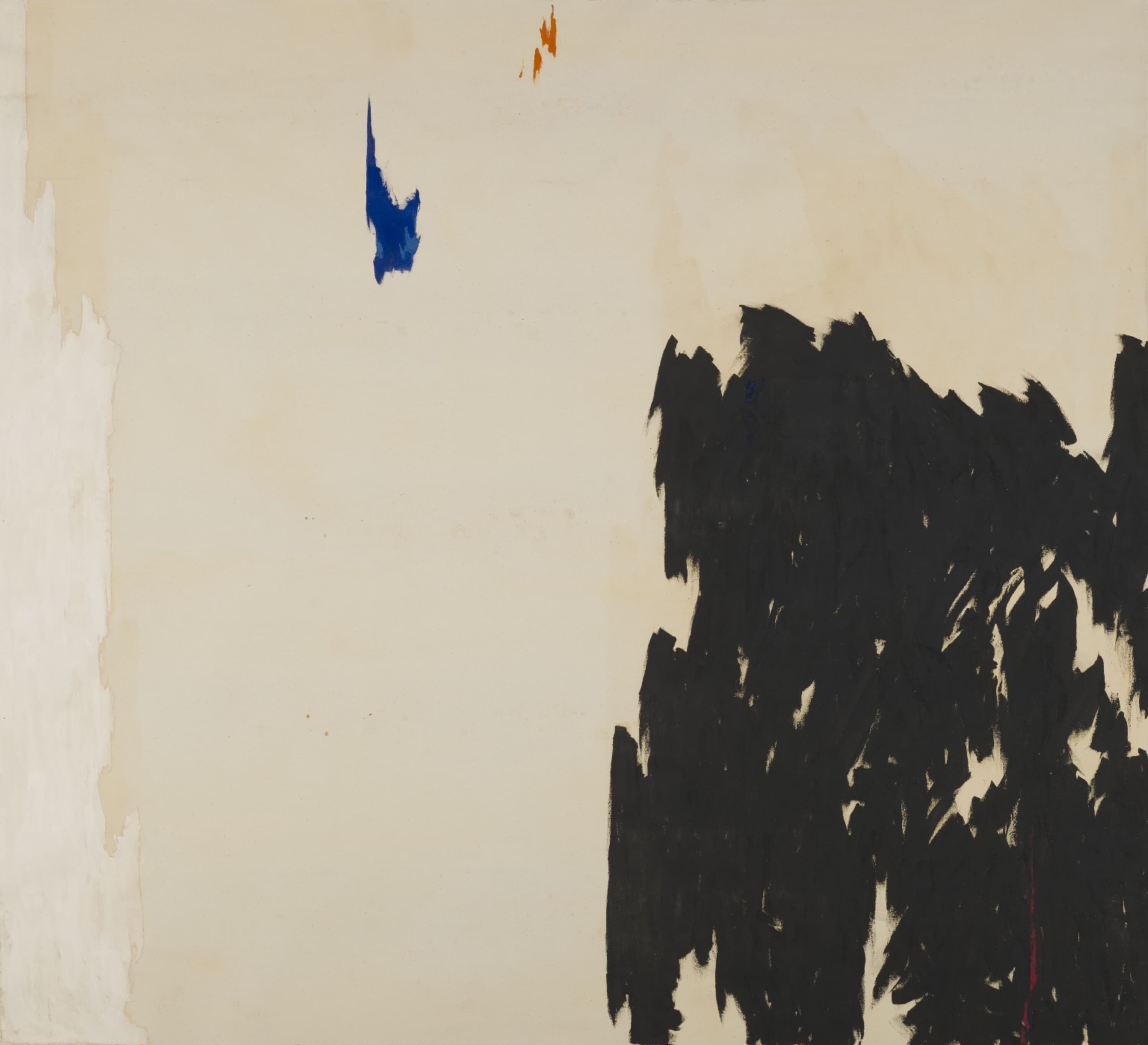
David, looking closely at the very edge of Gregory's hair, where singular sun-brightened strands of hair stand focused in front of the blurred concrete and greenery of the background. A Clyfford Still where figures are concentrated into swaths of light and shadow.
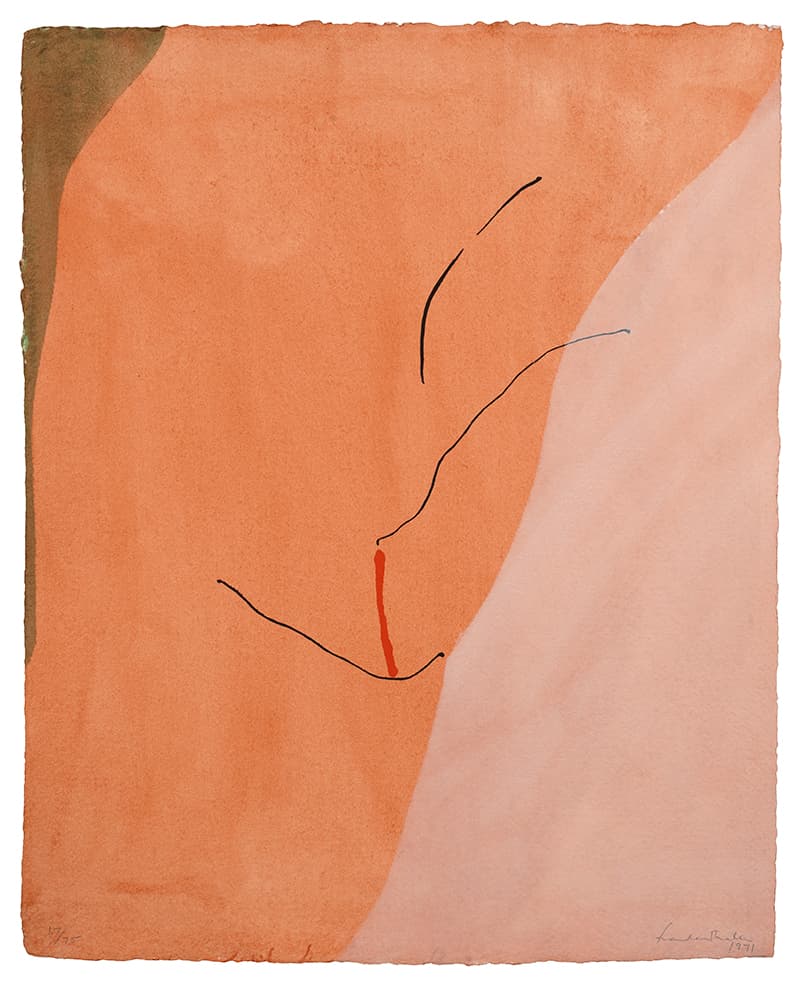
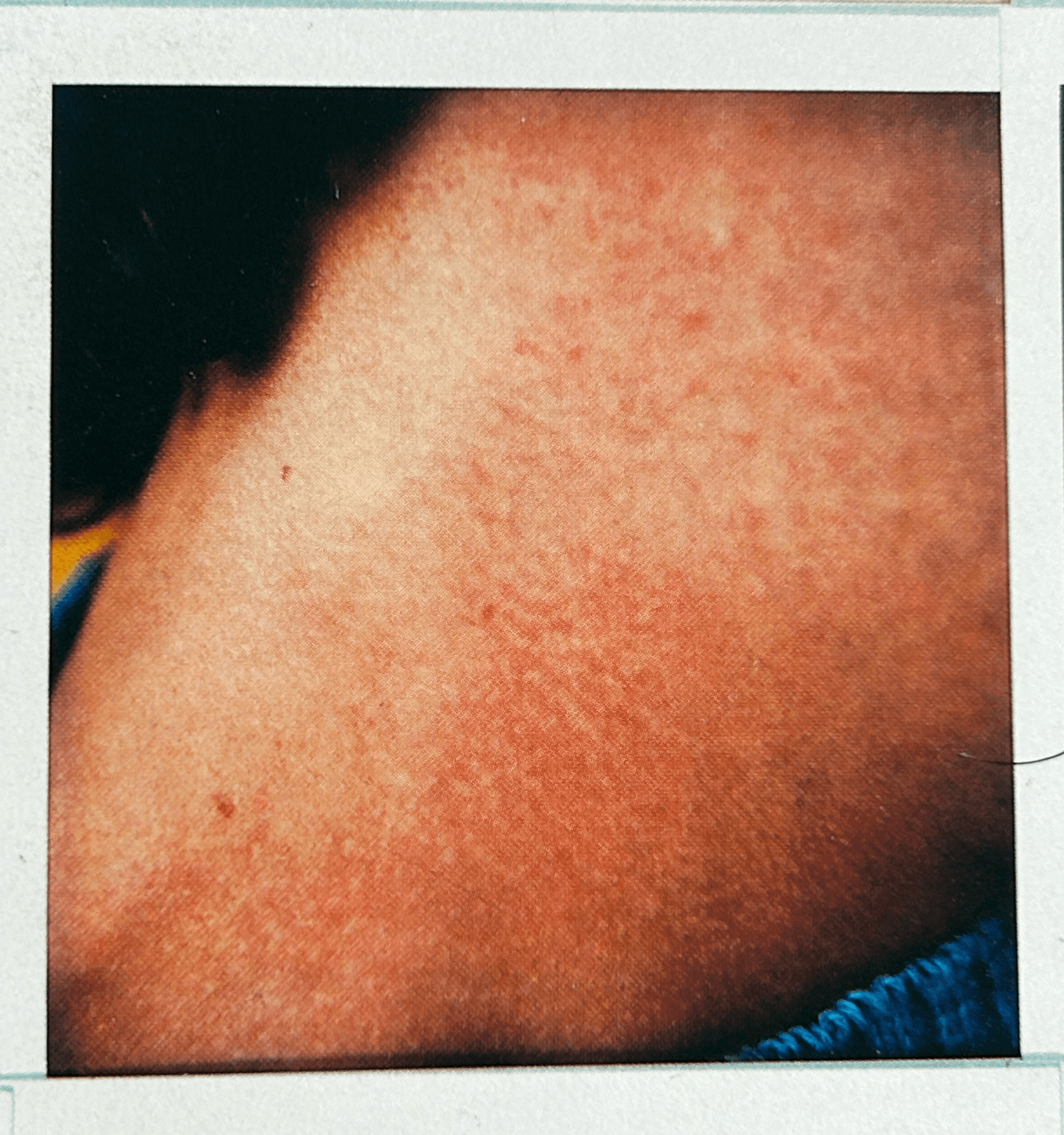
Gregory's neck, the shadow framing the edges and creating sweeping dimensionality, each freckle and dimple of texture. A Frankenthaler flooded with color and detail.
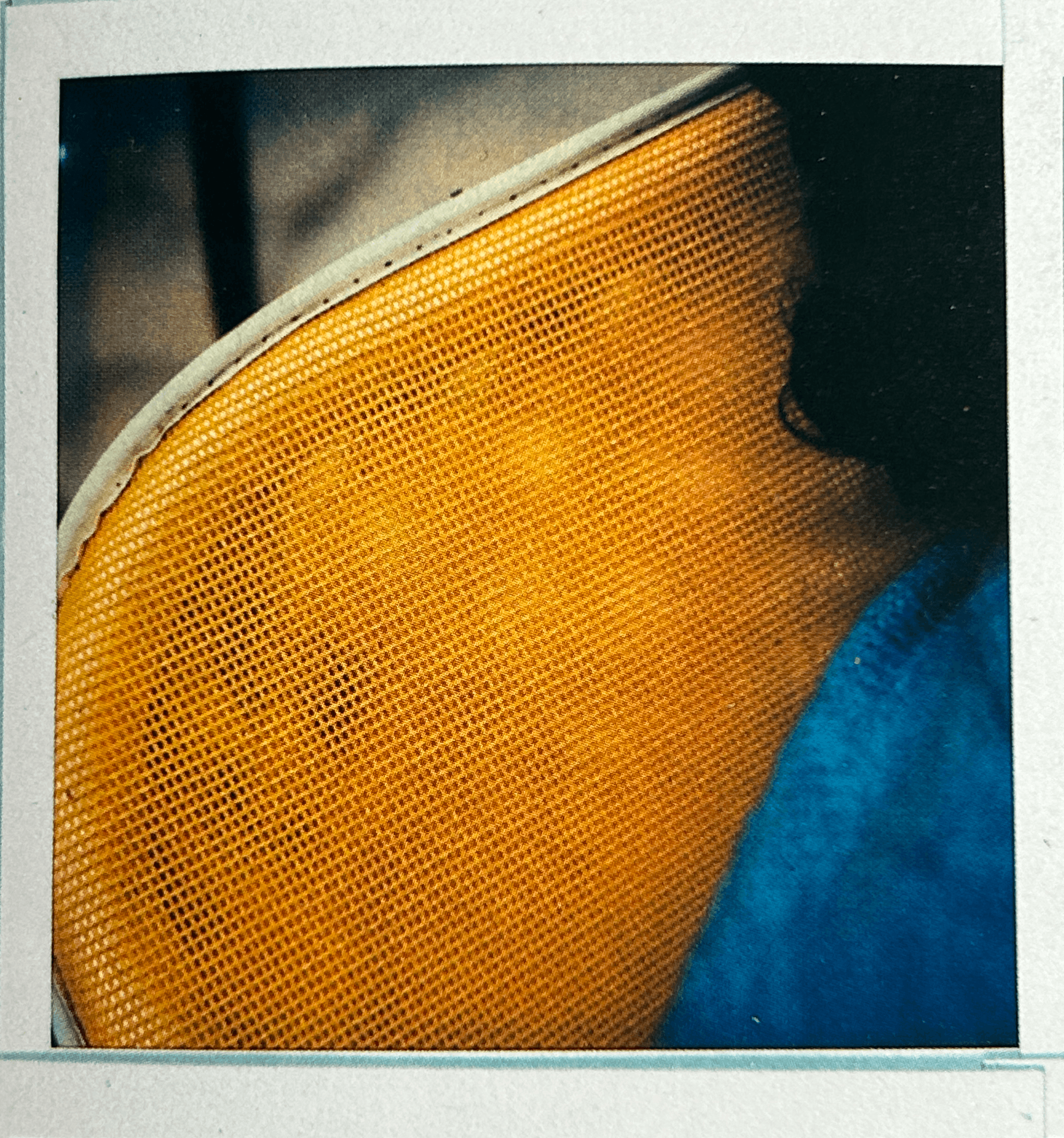
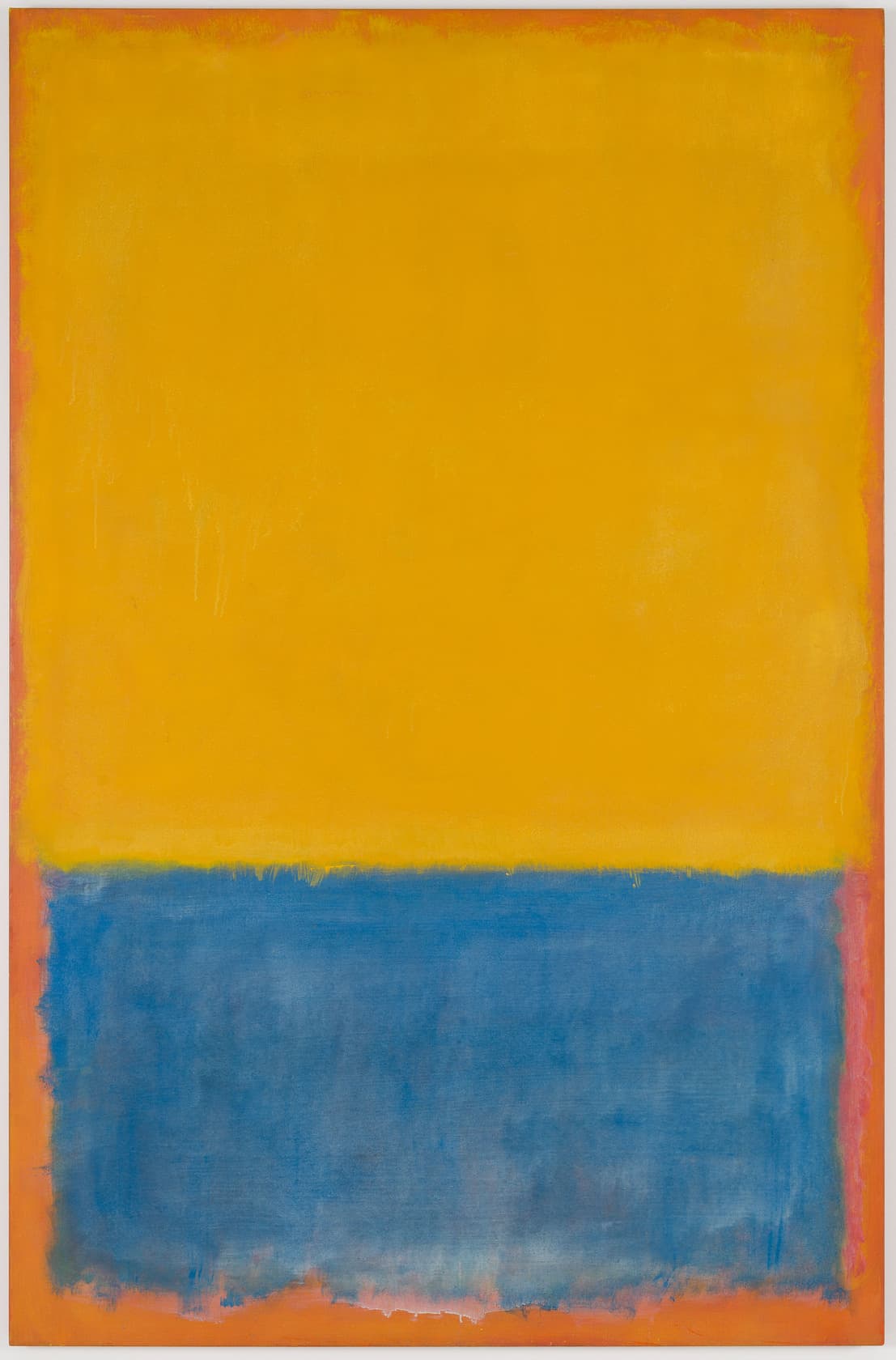
The bare edges of Gregory's blue sweater and the shadow of his head against a dusty woven yellow chair. A Rothko, snippets of color exploding into all-engulfing proportions.
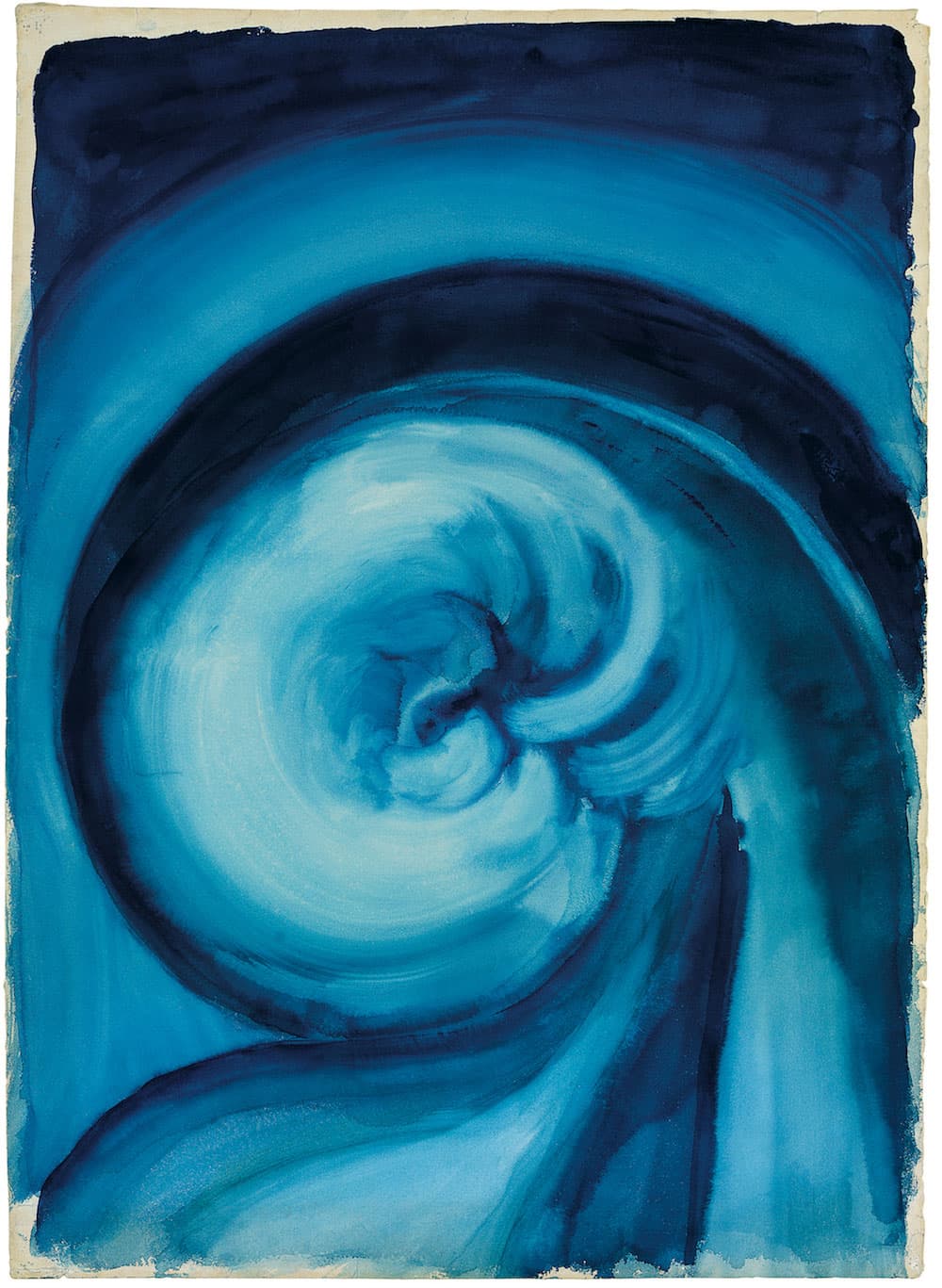
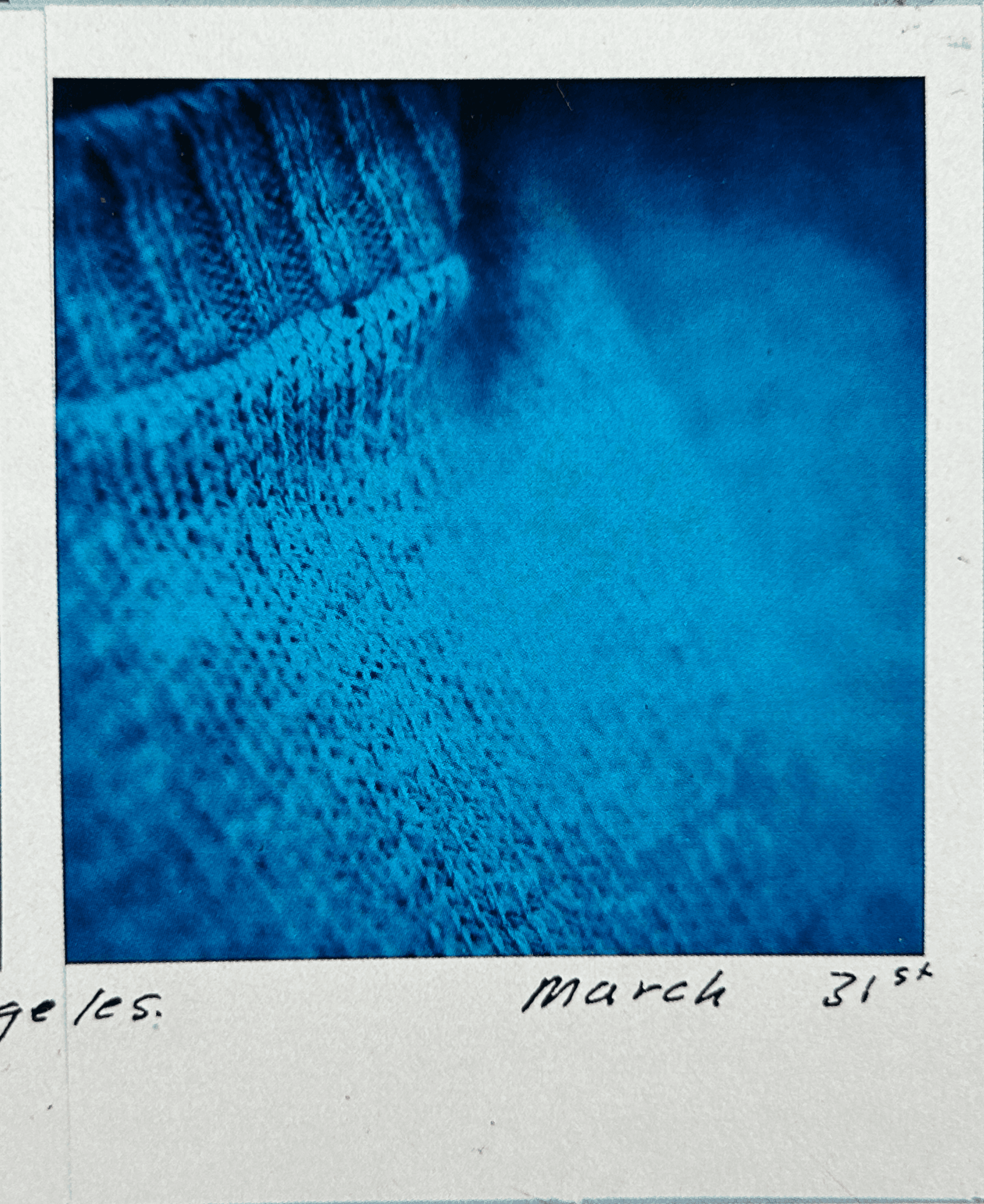
The sweater itself, blue like the swimming pool with hundreds of tiny knitted loops creased and shadowed by muscle beneath, flesh, folds shifting between each frame and with each exhale and inhale and exhale again. An O'Keeffe, gentle light and dark and depth of field.
Sixteen images, tender focus on a springy afternoon, a man and his lover alive together in Southern California.
Brilliant, gleaming, bursting like a star.