doll
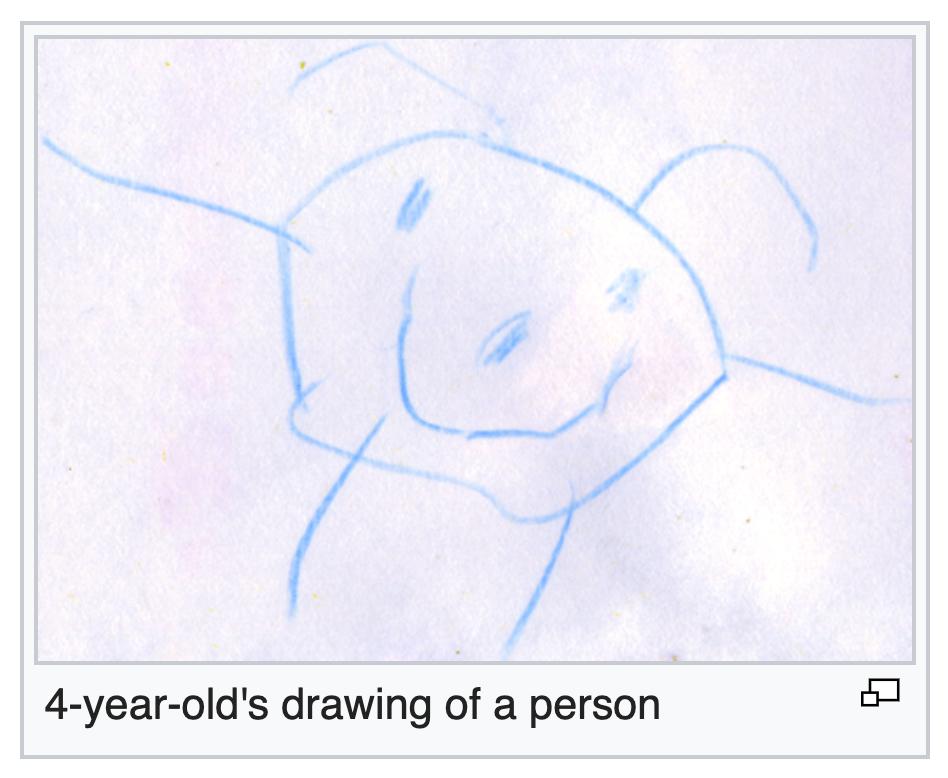
The doll is the symbolic homunculi, little life. It is the symbol of what lies buried in humans that is numinous. It is a small and glowing facsimile of the original Self. Superficially, it is just a doll. But inversely, it represents a little piece of soul that carries all the knowledge of the larger soul-Self. In the doll is the voice, in diminutive, of The One Who Knows. The doll represents the inner spirit of us as women; the voice of inner reason, inner knowing, and inner consciousness. The doll is like the little bird in fairy tales who appears and whispers in the heroine's ear, the one who reveals the hidden enemy and what to do about it all. This is the wisdom of the homunculus, the small being within. It is our helper which is not seeable, per se, but always accessible.
Clarissa Pinkola Estes, Women Who Run With the Wolves
He unfurled his umbrella with a flourish and opened it over his head. Large yellow butterflies were painted all over the clear plastic. "Allow me to escort you," he said, and walked briskly towards the front gate of the zoo. Lindy fell into step beside him. "I love your umbrella," she said admiringly. "I bought it because it's cheery and it makes people look up. Have you noticed how nobody ever looks up?" The man's voice was suddenly irritable. "Nobody looks at chimneys, or trees against the sky, or the tops of buildings. Everybody just looks down at the pavement or their shoes. The whole world could pass them by and most people wouldn't notice."
Julie Andrews, The Last of the Really Great Whangdoodles, 1974
images
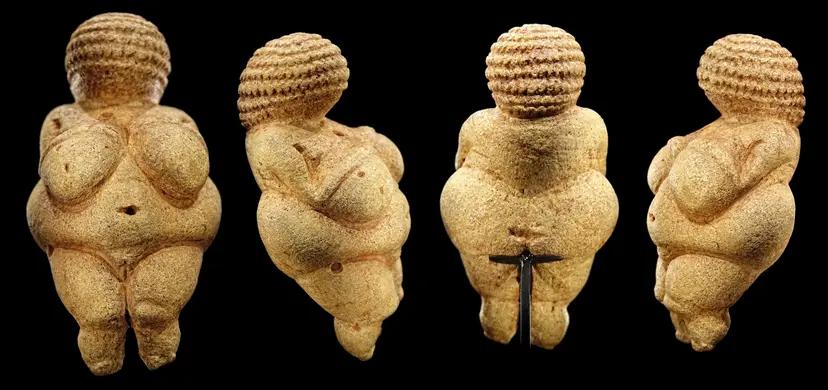
Venus of Willendorf, ~27000 BCE
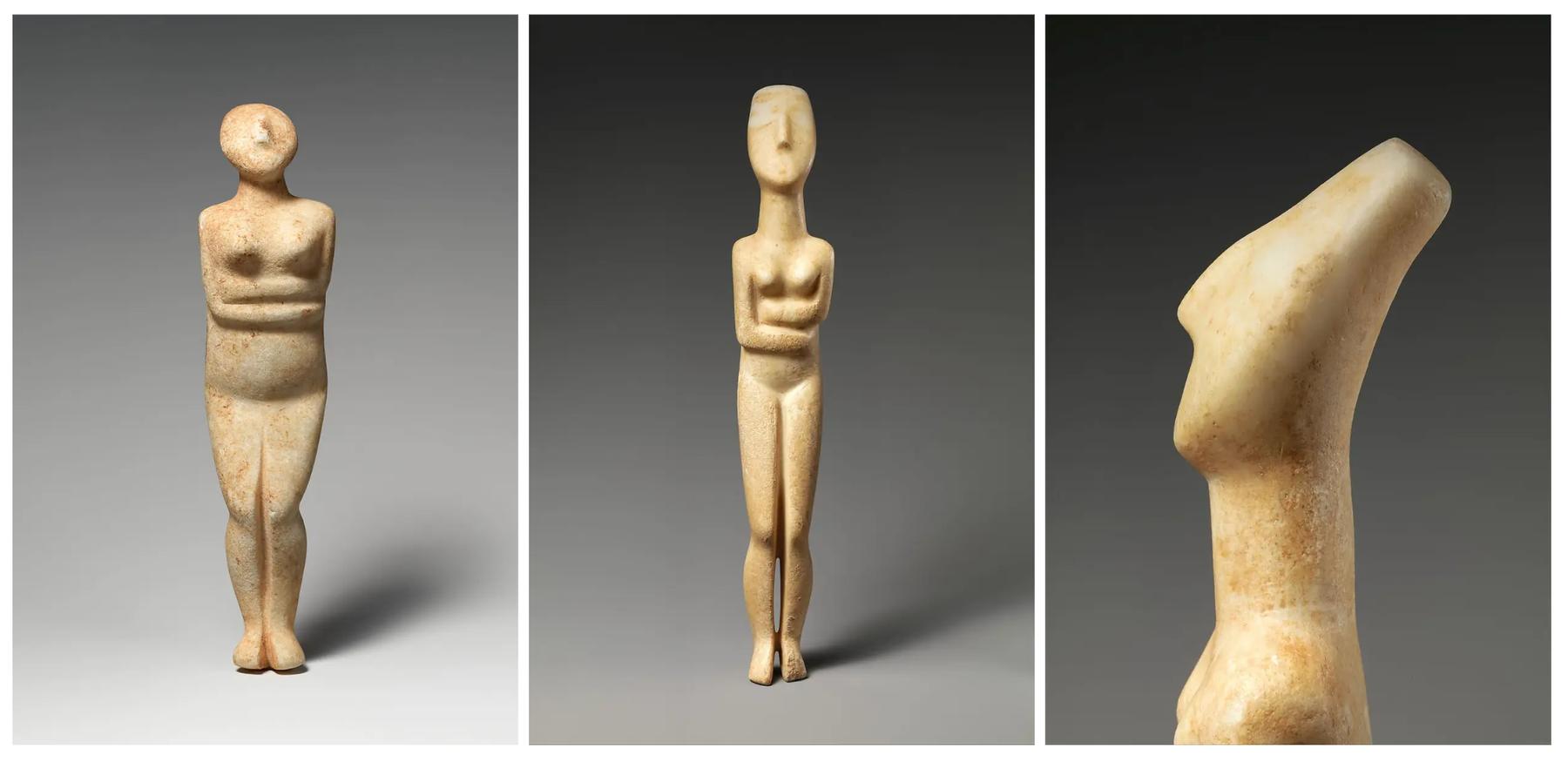
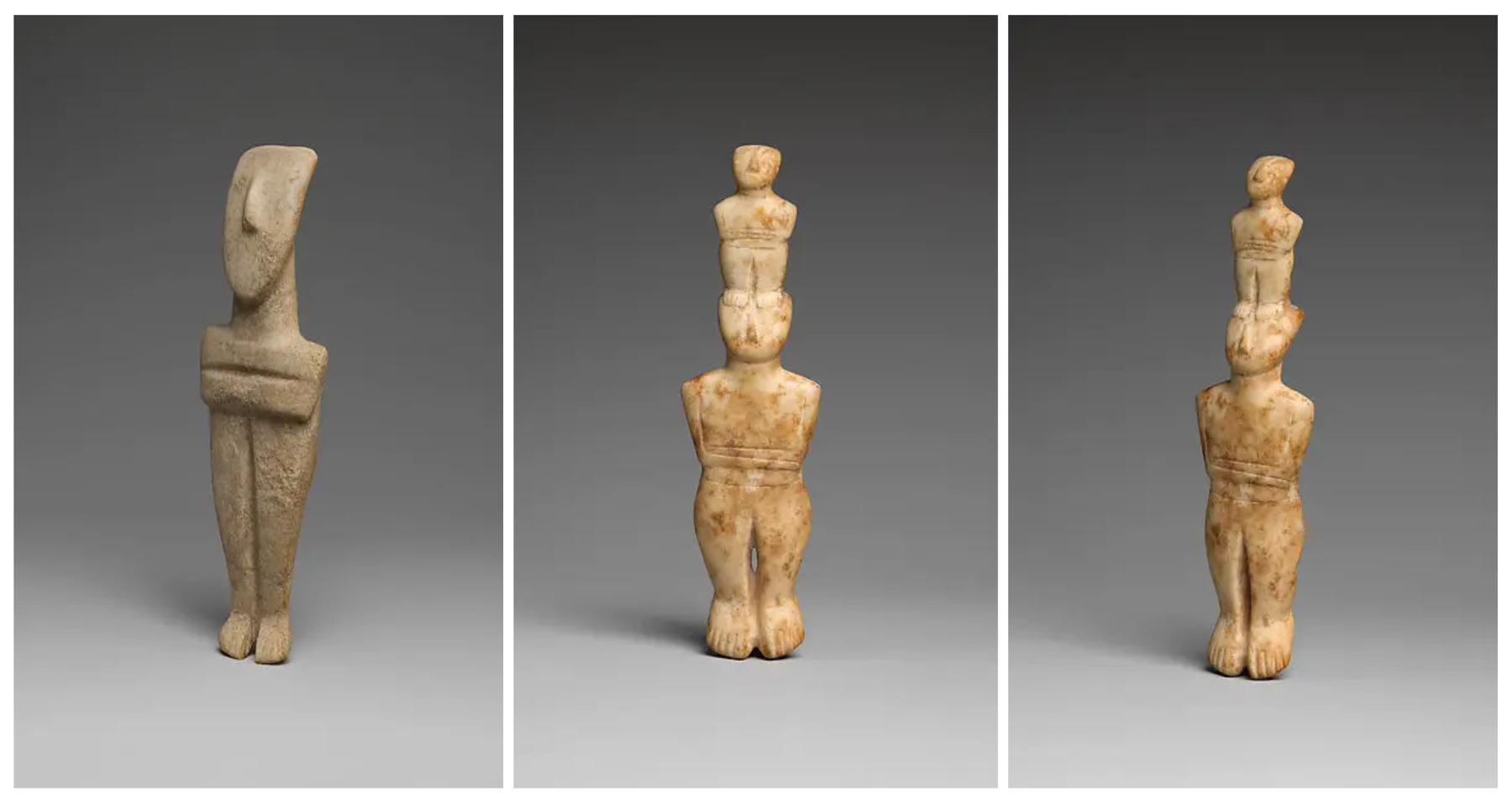
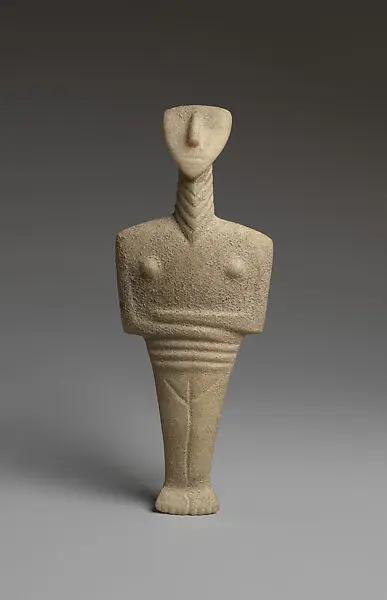
Cycladic Marble Figures, ~2500 BCE
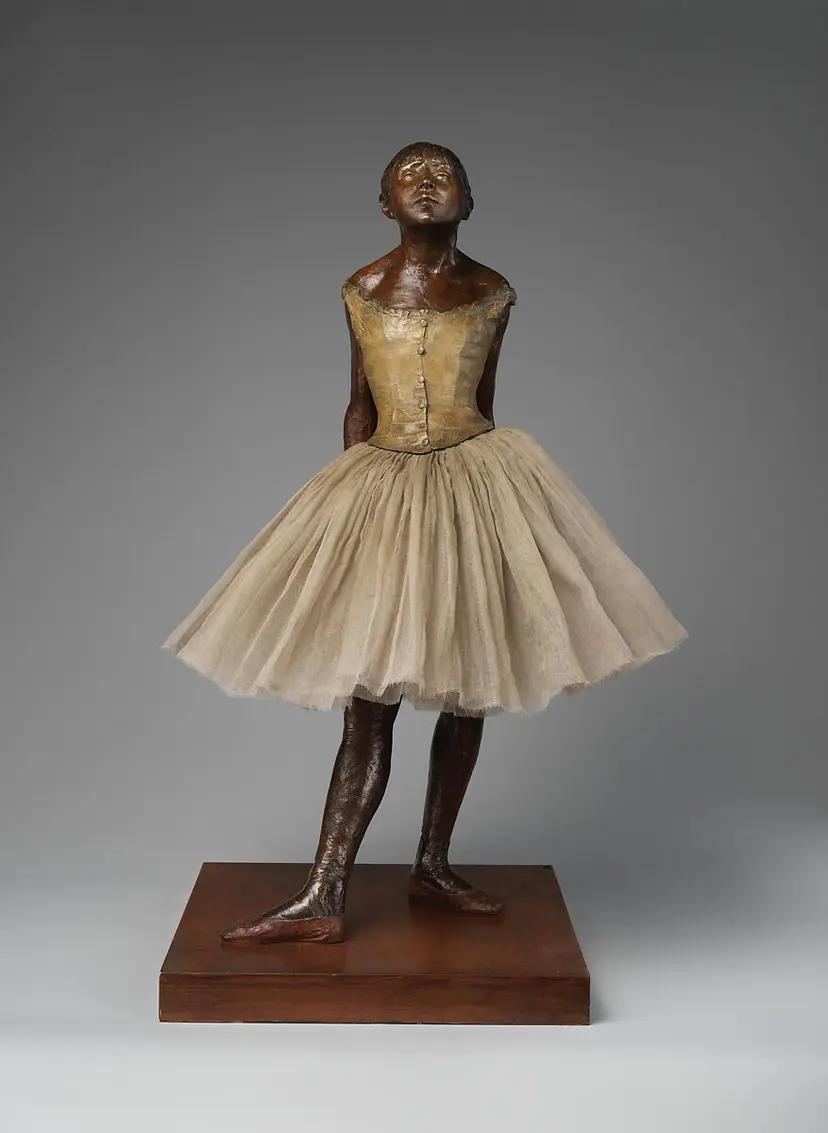
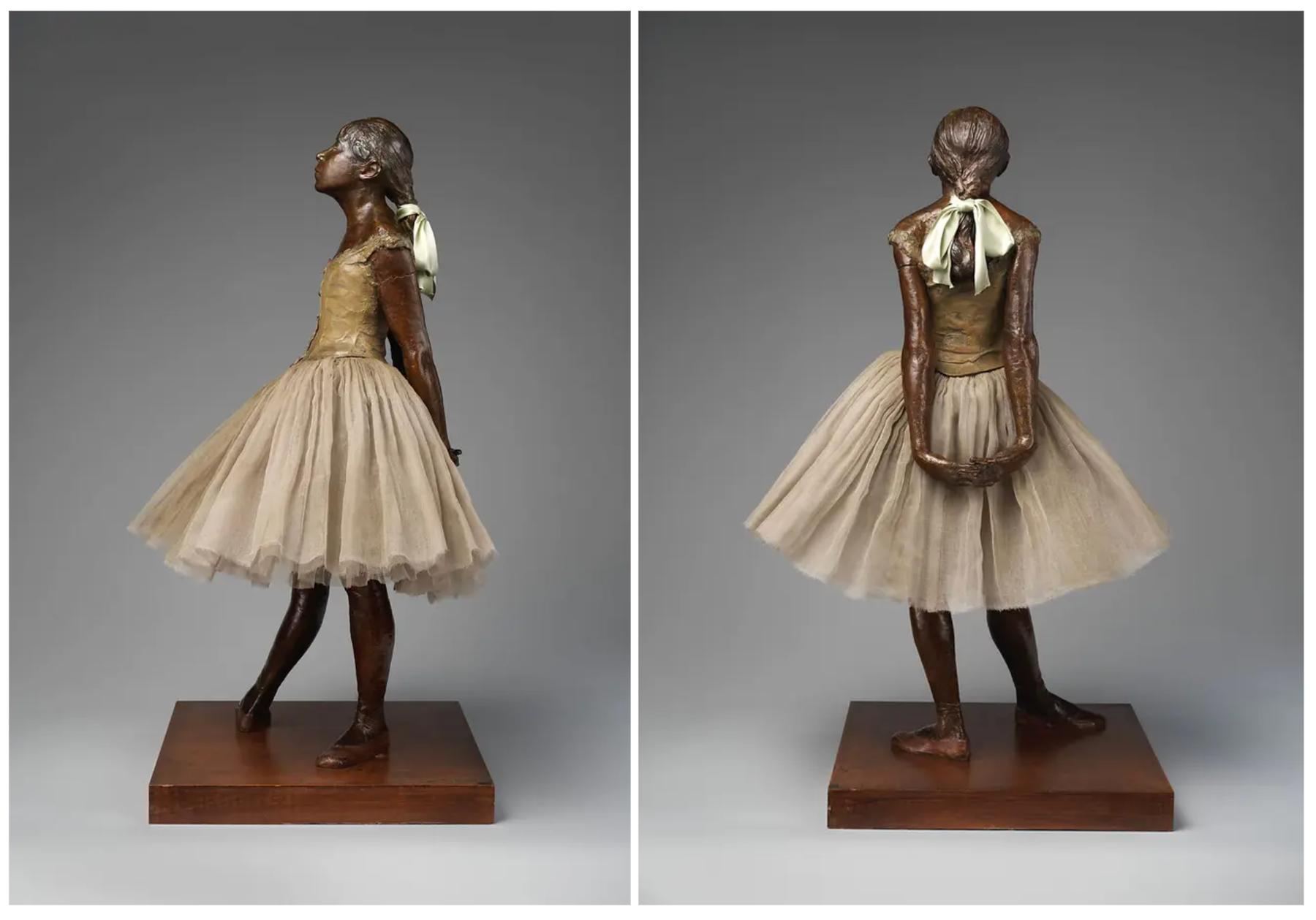
The Little Fourteen Year Old Dancer, Edgar Degas, 1922
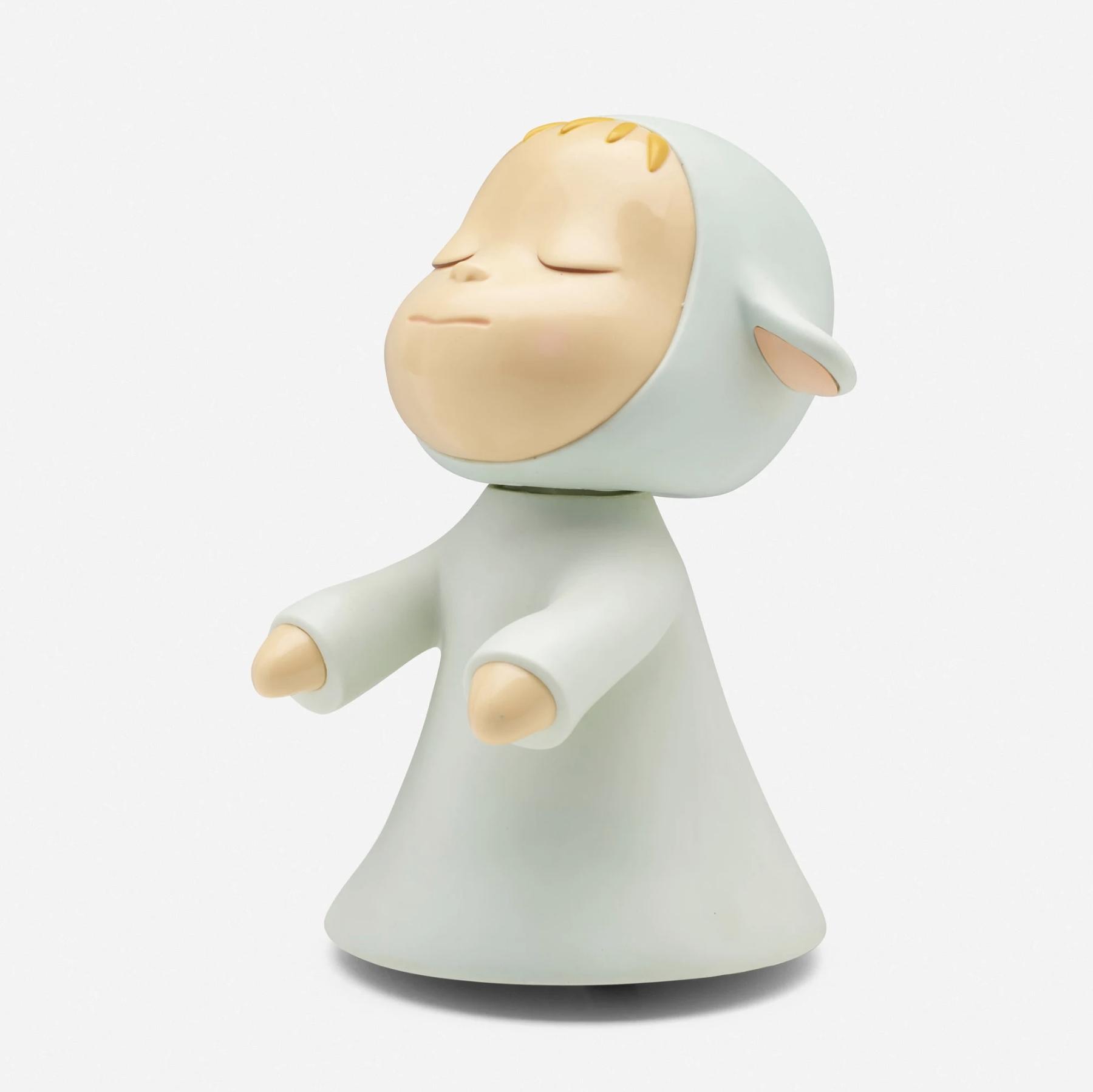
Yoshitomo Nara, Little Wanderer
powered by are.na